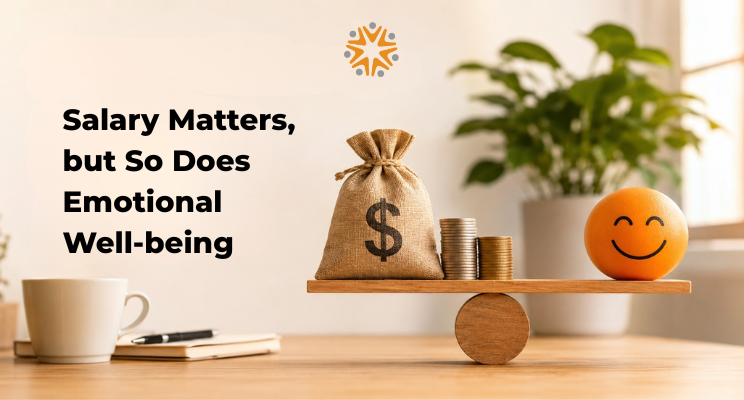
For years, salary has been one of the biggest factors influencing career decisions. Competitive pay remains important, especially as living costs continue to rise and employees seek financial stability. However, modern employees are increasingly recognizing that a high salary alone does not guarantee happiness, motivation, or long-term career satisfaction.
Today’s workforce is placing equal importance on emotional well-being, healthy work environments, and psychological safety. Employees want careers that support not only their financial goals but also their mental and emotional health.
Why Employees Are Prioritizing Emotional Well-being
The modern workplace has evolved significantly. Employees are no longer willing to sacrifice their peace of mind purely for compensation. Many professionals are realizing that chronic stress, toxic environments, and burnout can negatively affect every area of life, including sleep, physical health, relationships, and overall productivity.
A well-paying job may initially feel rewarding, but if the workplace culture creates constant anxiety or emotional exhaustion, employees often begin to question whether the salary is truly worth the cost.
Emotional well-being at work goes beyond occasional wellness activities or motivational talks. Employees want to feel respected, supported, and emotionally safe in their working environment. They want leaders who communicate clearly, workloads that are manageable, and workplace cultures that encourage balance instead of constant pressure.
When these elements are missing, even highly paid employees may eventually experience disengagement and burnout.
The Connection Between Workplace Culture and Employee Retention
Many organizations continue focusing heavily on salaries and benefits while overlooking the emotional experience of employees. However, workplace culture has become one of the strongest factors influencing retention and long-term employee satisfaction.
Employees are more likely to stay loyal to organizations where they feel valued, appreciated, and heard. Positive workplace environments encourage stronger collaboration, creativity, and trust among teams. Employees who feel emotionally secure are also more likely to perform confidently and contribute meaningfully to the organization.
In contrast, toxic management styles, unrealistic expectations, poor communication, and emotionally draining environments can push talented employees to leave regardless of how competitive the salary may be.
Across industries, professionals are actively searching for workplaces that support both career growth and emotional wellbeing.
Burnout Is Becoming a Workplace Crisis
Burnout is no longer viewed as a temporary phase caused by working hard. It has become a growing workplace issue affecting employees across different industries and levels of experience.
Many employees continue showing up to work while silently dealing with emotional exhaustion, declining motivation, and increasing stress. Over time, this can affect concentration, productivity, confidence, and overall job satisfaction.
In some workplaces, exhaustion has become so normalized that employees feel guilty for needing rest or boundaries. However, constantly operating under stress is not sustainable for individuals or businesses.
Organizations that fail to address employee well-being often face higher turnover, lower engagement, and weakened workplace morale.
Why Emotional Wellbeing Benefits Businesses
Supporting emotional wellbeing is not only beneficial for employees but also for long-term business performance. Companies with healthier workplace cultures often experience stronger retention, better teamwork, higher productivity, and improved employee engagement.
Employees who feel emotionally supported are generally more motivated, collaborative, and committed to their roles. They are also more likely to build positive relationships with colleagues and contribute to a healthier organizational culture.
As workplace expectations continue evolving, emotional wellbeing is becoming an important business priority rather than an optional initiative.
The Future of Work Is More Human-Centered
The future workforce values both financial stability and emotional health. Employees want meaningful careers that allow them to succeed professionally without sacrificing their peace of mind.
Organizations that understand this shift are more likely to attract and retain strong talent in an increasingly competitive job market.
Salary will always matter because financial security remains essential. However, modern employees are making it clear that emotional wellbeing matters too.
A healthy workplace should support both professional success and personal wellbeing because sustainable performance begins with people feeling respected, valued, and emotionally safe.
Connect with us: info@tg-hr.com